NEWS
NEWS
Press clipping
Japan Joins Horizon Europe: New Opportunities for Scientific and Technological Collaboration
05/08/2026
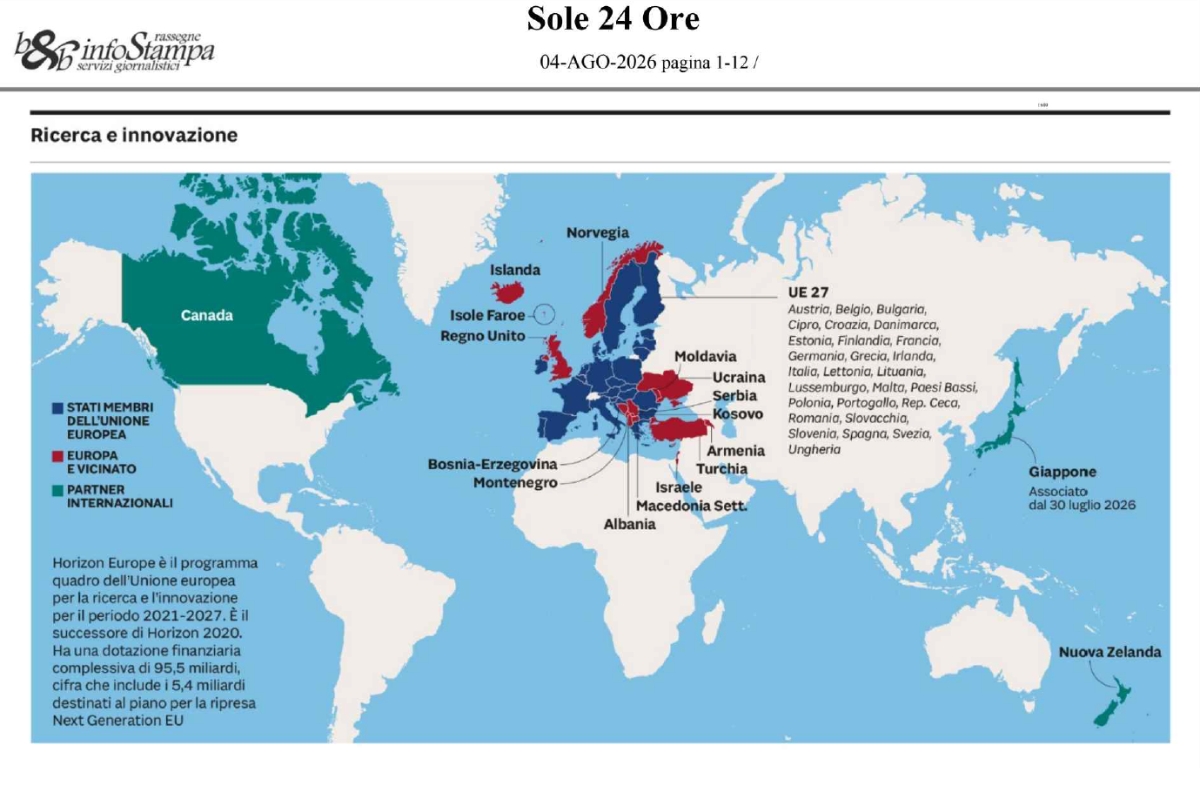
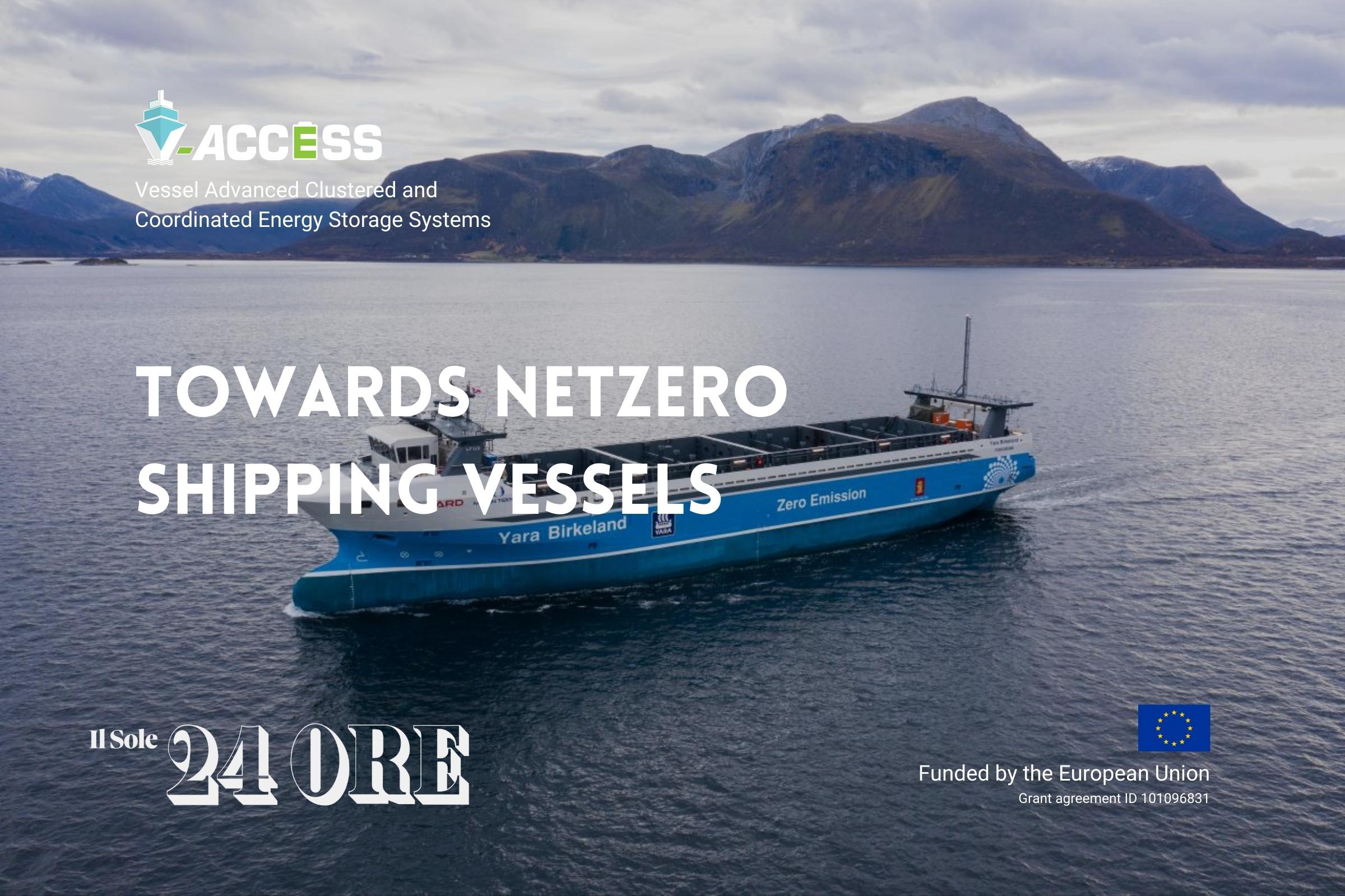
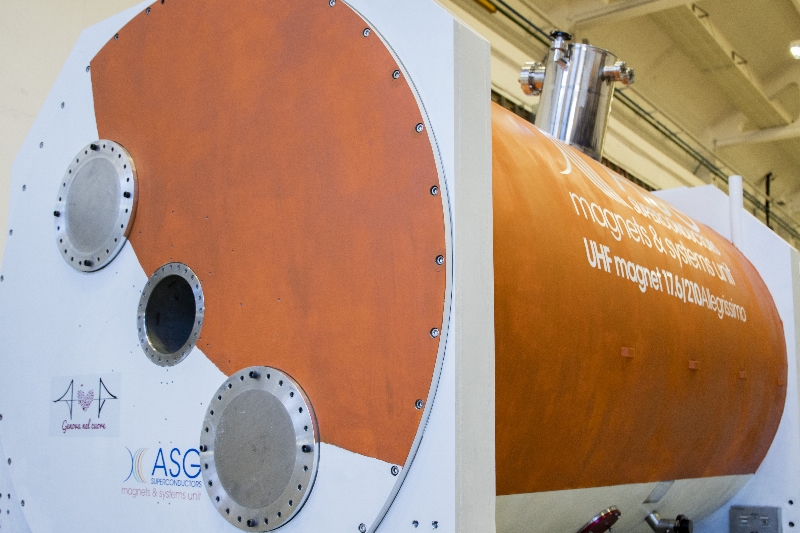
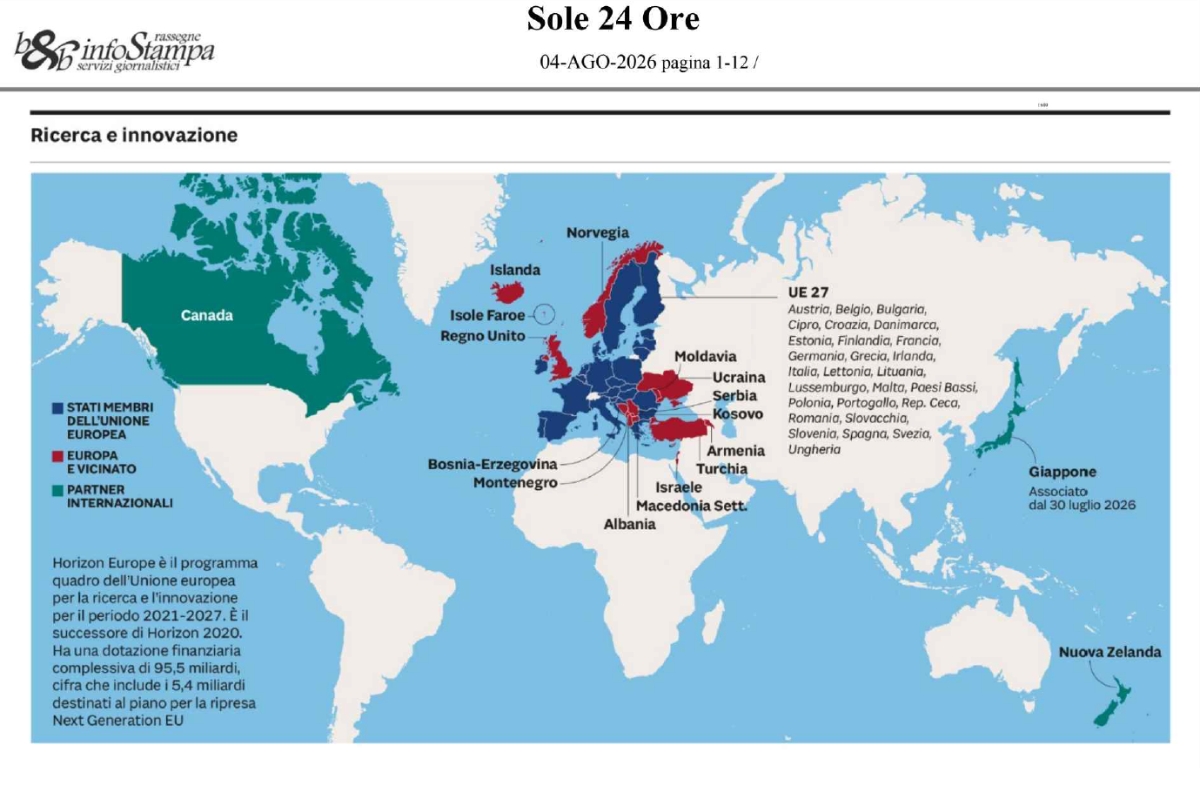
After nearly a year of negotiations, Japan has officially become a partner of Horizon Europe, the European Commission’s largest research and innovation funding program, with a seven-year budget of 95.5 billion euros. This agreement allows Japanese researchers and organizations to participate in Horizon Europe under the same conditions as EU member states and other associated countries. They can join and lead international research consortia, receive European funding, and collaborate with leading research institutes to address global challenges. The partnership also reduces administrative barriers, making cooperation with Japanese partners more straightforward in terms of eligibility and funding. Japan’s entry is specifically into Pillar II of the program, which alone accounts for over 52 billion euros and focuses on health, climate and energy, digitalization, industrial development, mobility, food security, and bioeconomy. With a population of 123 million, Japan is the most populous associated country and brings one of the world’s most advanced research and innovation ecosystems into the European network. For Italy, this partnership means increased competition within consortia, but also greater opportunities for universities, research centers, and technology hubs to involve Japanese partners with less administrative friction and more funding certainty. Japan is particularly strong in robotics, advanced materials, semiconductors, precision manufacturing, batteries, mobility, and health. A recent example of this collaboration is the Horizon program dedicated to advanced energy storage systems for zero-emission maritime transport, involving projects like V-ACCESS, AENEAS, NEMOSHIP, and POSEIDON. These projects represent a European investment of over 20 million euros and bring together 50 research institutes, universities, and industrial entities, including many Italian organizations. The technologies developed combine traditional batteries with supercapacitors and superconducting SMES, using magnesium diboride (MgB2) technology. Japan’s participation in Horizon Europe is expected to foster innovative industrial supply chains and create new professional opportunities, especially in sectors where new technologies intersect with maritime environments, such as superconductive ships. This extension of Horizon Europe to the Indo-Pacific region highlights the importance of engaging with this area for security and technological development.